7 Essential Solar-Powered Gadgets in 2026: Practical Eco-Friendly Tech for Daily Use
Discover the best solar-powered gadgets in 2026. From portable chargers to outdoor lights, explore practical eco-friendly tech you can use every day right now.
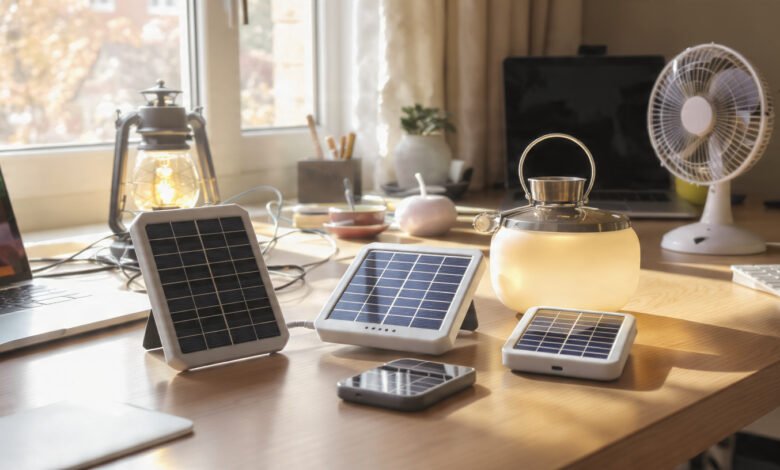
Solar-powered gadgets have evolved from being experimental accessories to becoming essential tools for daily life in 2026. The shift toward eco-friendly tech reflects more than just environmental awareness. It’s about energy independence, cost savings, and practical solutions that work in real-world situations. Whether you’re living in a compact urban apartment or a suburban home with a sprawling backyard, solar technology now offers reliable options that integrate seamlessly into your routine.
The advancements in solar panel efficiency, battery management systems, and compact design have transformed these devices from backup options into primary power sources for many households. Modern solar chargers capture energy even in indirect sunlight, while solar outdoor lights provide consistent illumination without adding to your electricity bill. This isn’t about making sacrifices for the environment anymore. It’s about choosing smarter technology that actually improves your daily experience while reducing your carbon footprint. Let’s explore the most practical solar-powered gadgets that are genuinely worth your investment in 2026.
Understanding Solar Technology in 2026
Before diving into specific products, it’s helpful to understand what makes sustainable technology work better today than it did just a few years ago. The improvements aren’t incremental. They’re substantial.
Solar Panel Efficiency Breakthroughs
Monocrystalline solar panels now achieve conversion rates exceeding 23%, meaning they transform nearly a quarter of sunlight into usable electricity. This represents a massive leap from older models that struggled to reach 15%. For you, this means faster charging times and better performance even on cloudy days.
Panel coatings have also improved significantly. Urban environments with air pollution no longer dramatically reduce solar efficiency. The new protective layers maintain performance in conditions that would have rendered older panels nearly useless. This makes solar-powered gadgets practical for city dwellers, not just those living in sunny rural areas.
Battery Technology That Actually Lasts
Lithium-ion batteries have become the standard, but the real innovation lies in battery management systems. These intelligent circuits prevent overcharging, manage heat dissipation, and optimize charge cycles. The result? Batteries that maintain their capacity through thousands of charge cycles instead of degrading after a few hundred.
Some newer models feature lithium iron phosphate (LiFePO4) batteries, which offer even longer lifespans with approximately 4,000 cycles before significant capacity loss. For practical purposes, this means your solar power bank could serve you reliably for five to seven years of regular use.
1. Portable Solar Chargers and Power Banks
When it comes to solar-powered gadgets for everyday use, portable solar chargers top the list for good reason. These devices have become genuinely reliable instead of being frustrating backup options.
What Makes Modern Solar Chargers Different
The best solar chargers in 2026 feature multi-panel foldable designs that expand to capture maximum sunlight while folding into compact packages for storage. Products like the BigBlue SolarPowa 28 and FlexSolar 40W demonstrate what’s possible: enough power output to charge laptops and tablets, not just smartphones.


Solar power banks with integrated batteries solve a crucial problem. They store energy during the day so you can charge devices at night or during cloudy weather. The key specification to watch is the battery capacity, measured in milliampere-hours (mAh). A 20,000mAh power bank can fully charge most smartphones three to four times.
Practical Applications
These devices excel in several real-world scenarios:
- Commuting: Keep a foldable solar charger in your bag. Place it in a sunny window during work hours, and you’ll have enough power to top off your devices on the ride home.
- Camping and Hiking: Modern portable solar chargers weigh less than a pound but can keep your phone, GPS, and camera charged for multi-day trips.
- Emergency Preparedness: Power outages happen. Having a charged solar power bank means you maintain communication capabilities regardless of grid status.
- Outdoor Work: Photographers, construction workers, and field researchers benefit from continuous power access without searching for outlets.
Features Worth Paying For
When selecting solar chargers, prioritize these features:
- Multiple USB ports (including USB-C for fast charging)
- Built-in battery storage for charging after dark
- Waterproof or water-resistant construction (IP65 rating minimum)
- MPPT (Maximum Power Point Tracking) technology for optimized charging
- Protective circuits to prevent damage from overcharging or short circuits
The investment in quality eco-friendly tech pays off through longevity and reliability.
2. Solar-Powered Outdoor Lighting Solutions
Solar outdoor lights have transformed from dim decorative accents into powerful illumination systems that rival traditional electrical fixtures. The technology behind these lights has improved dramatically, making them practical for security, ambiance, and functional lighting.
Motion-Activated Security Lights
Modern solar outdoor lights with motion sensors provide genuine security benefits. They charge throughout the day and activate automatically when movement is detected, delivering bright illumination when and where you need it.
These lights typically offer:
- 8-12 hours of continuous operation after a full charge
- Adjustable sensitivity settings to prevent false triggers
- Multiple lighting modes (continuous dim, full brightness on motion, or motion-only)
- Weather-resistant construction rated for year-round outdoor use
Place them near entry points, along pathways, or in blind spots around your property. The autonomous operation means enhanced security without increased electricity costs.
Pathway and Garden Lights
Solar pathway lights have evolved beyond basic stake lights. Contemporary designs feature sophisticated aesthetics while delivering reliable illumination. The best models use warm LED bulbs that create inviting ambiance without harsh glare.
Installation remains remarkably simple. Push the stake into the ground where you want light. That’s it. No wiring, no electrician, no ongoing costs. The solar panels charge integrated batteries during daylight hours, then automatically illuminate at dusk.
For garden lights, consider spotlight models that highlight landscape features. These adjustable fixtures let you accent trees, sculptures, or architectural elements, creating dramatic nighttime visuals.
String Lights and Decorative Options
Solar string lights bring festive illumination to patios, pergolas, and outdoor dining areas. 2026 models feature improved battery life and more efficient LEDs, maintaining brightness throughout the evening even after shorter winter days.
Look for options with:
- 200+ LEDs for adequate brightness
- Multiple lighting modes (steady, flashing, fading)
- Remote control operation for convenience
- USB charging backup for use during extended cloudy periods
These lights transform outdoor spaces into usable extensions of your home, encouraging you to spend more time outside.
3. Solar Generators and Portable Power Stations
For serious power needs, solar generators represent the pinnacle of portable renewable energy solutions. These aren’t gadgets in the traditional sense. They’re substantial power systems that can run appliances, power tools, and even provide backup electricity during outages.
Understanding Solar Generator Capabilities
A solar generator combines a portable power station with solar panels. The power station contains a large-capacity lithium-ion battery (typically 500-2000 watt-hours), an inverter to convert DC to AC power, and multiple output ports.
Popular models like the Jackery Explorer 1000 v2 and Anker SOLIX deliver enough capacity to:
- Power a residential refrigerator for 15+ hours
- Charge laptops eight times
- Run LED lights for several days
- Power small appliances like blenders or fans
When Solar Generators Make Sense
These systems shine in specific scenarios:
Off-Grid Living: If you’re in an RV, cabin, or remote location, a solar generator provides reliable power without requiring grid connection or fuel.
Emergency Backup: During power outages, maintaining refrigeration and communication becomes critical. A charged portable power station with solar panels ensures these essentials continue operating.
Outdoor Events: Powering sound systems, lighting, and food preparation equipment becomes possible anywhere you can set up solar panels.
Construction Sites: Remote job sites without electrical infrastructure benefit from portable, quiet power generation.
Choosing the Right System
Consider these factors when evaluating solar generators:
- Watt-hour capacity: Match this to your actual power needs. Calculate how many watt-hours your devices consume daily.
- Solar panel wattage: Higher wattage means faster recharging. Aim for at least 200W for reasonable charging times.
- Port variety: Ensure you have the right mix of AC outlets, USB ports, and DC outputs for your devices.
- Battery chemistry: LiFePO4 batteries cost more upfront but last significantly longer than standard lithium-ion.
4. Solar-Powered Smart Home Devices
The integration of solar technology with smart home systems represents a practical convergence of eco-friendly tech and modern convenience. These devices operate independently of your home’s electrical grid while offering app-based control and automation.
Solar Security Cameras
Solar-powered security cameras eliminate two major installation headaches: running power lines and battery replacement. Models from Ring, Blink, and newer manufacturers feature built-in solar panels that maintain charge indefinitely with just a few hours of daily sunlight.
These cameras offer:
- Continuous operation without battery changes
- Smart motion detection to reduce false alerts
- Cloud or local storage for recorded footage
- Two-way audio for communication
- Night vision for 24/7 monitoring
Mount them anywhere with decent sun exposure, and they’ll keep watching without ongoing maintenance or electricity costs.
Solar Doorbells
Similar to security cameras, solar-powered video doorbells like the Ring Video Doorbell with Solar Charger Mount provide package monitoring and visitor identification without draining batteries or increasing your electric bill.
The solar mount charges the doorbell continuously, ensuring it stays operational. This proves particularly valuable in locations where frequent battery changes would be inconvenient.
Smart Sensors and Monitoring
Solar-powered environmental sensors for temperature, humidity, and air quality can operate indefinitely without battery replacement. Place them in gardens, greenhouses, or remote areas of your property where running power would be impractical.
These sensors typically connect via Wi-Fi or Bluetooth to your smartphone, providing real-time data about conditions in monitored areas.
5. Solar Keyboards and Computer Accessories
For indoor solar-powered gadgets, solar keyboards represent an elegant solution to a small but persistent annoyance: battery replacement. These devices harvest ambient light from windows or lamps to maintain charge indefinitely.
How Solar Keyboards Work
Unlike outdoor solar devices, these keyboards use highly efficient photovoltaic cells optimized for low-light conditions. They can charge from:
- Indoor lighting (LED or fluorescent)
- Natural window light
- Desk lamps
A fully charged solar keyboard can operate for three months in complete darkness. In normal use with occasional light exposure, you’ll never need to think about charging or batteries again.
Benefits Beyond Convenience
Beyond eliminating battery waste, solar keyboards offer practical advantages:
- Wireless operation without battery anxiety
- Slim, sleek design without battery compartments
- Consistent performance without gradual power degradation
- Environmental impact reduction by avoiding disposable batteries
Brands like Logitech offer reliable solar keyboard options that work beautifully in home offices, corporate environments, or anywhere natural or artificial light is present.
6. Solar Backpacks and Wearables
Solar-powered wearables and accessories bring charging capability wherever you go. These products integrate flexible solar panels into fabrics and materials you already carry or wear.
Solar Backpacks
Solar backpacks feature integrated panels on the exterior surface, typically generating 5-10 watts of power. As you walk or commute, these panels charge internal batteries that can then power your devices via USB ports.
This technology works well for:
- Students commuting to campus
- Urban professionals walking to work
- Travelers exploring cities with heavy phone use
- Outdoor enthusiasts on day hikes
The OffGrid Solar Backpack exemplifies this category, offering a high-efficiency panel that charges smartphones, cameras, and other USB devices during normal daily activities.
Solar Watches and Fitness Trackers
Solar-powered smartwatches like the Garmin SolarEdge 2026 Edition feature tiny solar cells integrated into the watch face. These extend battery life dramatically, sometimes eliminating the need for traditional charging entirely.
For fitness enthusiasts and outdoor adventurers, this means:
- Continuous GPS tracking on long hikes
- Heart rate monitoring without battery anxiety
- Sleep tracking every night without removing the watch to charge
- Smart notifications with minimal environmental impact
The Citizen Eco-Drive technology demonstrates that solar charging works effectively at the small scale required for wearables.
7. Solar Water Heaters and Home Systems
While not strictly “gadgets,” solar water heaters deserve mention as practical sustainable technology for daily use. These systems harness solar energy to heat water for domestic use, reducing energy bills substantially.
How Solar Water Heating Works
Solar water heaters use panels (often called collectors) that absorb sunlight and transfer the heat to water flowing through pipes. This pre-heated water then goes to your conventional water heater, which requires far less energy to bring it to the desired temperature.
In sunny climates, these systems can provide 80-90% of your hot water needs. Even in cloudier regions, they typically cover 40-60% of water heating demands.
Financial and Environmental Benefits
The numbers are compelling:
- Energy bill reduction: 50-80% decrease in water heating costs
- Payback period: 5-7 years in most climates
- Lifespan: 15-20 years with minimal maintenance
- Carbon reduction: Equivalent to removing a car from the road
While the upfront investment is higher than other solar-powered gadgets, the long-term savings and environmental impact make these systems increasingly popular.
Choosing the Right Solar-Powered Gadgets for Your Needs
With so many options available, selecting the appropriate eco-friendly tech requires understanding your specific situation and priorities.
Assess Your Actual Power Needs
Start by calculating what you actually use:
- Phone charging: 10-15 watt-hours per full charge
- Laptop charging: 50-100 watt-hours per full charge
- LED lighting: 5-10 watts per bulb per hour
- Small appliances: Check their wattage ratings
This helps you choose solar chargers or power stations with adequate capacity instead of overpaying for capabilities you won’t use.
Consider Your Environment
Your location dramatically affects solar effectiveness:
Urban apartments with limited direct sunlight benefit most from:
- Small solar power banks charged on windowsills
- Solar keyboards using ambient indoor light
- Solar outdoor lights on balconies or fire escapes
Suburban homes with yards can utilize:
- Solar generators for backup power
- Comprehensive solar outdoor lighting systems
- Solar water heaters for significant savings
Rural and off-grid locations need:
- High-capacity solar power stations
- Multiple solar panels for reliable charging
- Solar generators for appliance operation
Budget Appropriately
Solar-powered gadgets span a wide price range. Quality matters, but you don’t always need the most expensive option:
Entry-level ($20-50):
- Basic solar chargers for phones
- Simple solar pathway lights
- Solar keyboards
Mid-range ($50-300):
- Quality solar power banks with high capacity
- Motion-sensor security lights
- Foldable multi-panel solar chargers
Premium ($300-2000):
- Solar generators and power stations
- Professional solar lighting systems
- Solar water heating installations
Maintaining Your Solar-Powered Gadgets
Proper maintenance ensures your sustainable technology investment lasts years and maintains peak performance.
Solar Panel Care
Keep panels clean for optimal efficiency:
- Wipe panels monthly with a soft cloth to remove dust and debris
- Avoid harsh chemicals that might damage protective coatings
- Position panels optimally facing south (northern hemisphere) with minimal shade
- Adjust angles seasonally for maximum sun exposure
Dirty panels can lose 20-30% efficiency, so regular cleaning pays immediate dividends.
Battery Maintenance
Extend lithium-ion battery life through smart practices:
- Avoid complete discharges when possible (keep above 20%)
- Store partially charged (40-60%) for extended periods
- Keep cool (avoid leaving in hot cars or direct sun)
- Use regularly (monthly charge cycles prevent degradation)
Following these guidelines can double your battery’s useful lifespan.
Physical Protection
Even weather-resistant devices benefit from sensible placement:
- Use mounting hardware to prevent wind damage
- Bring portable items inside during severe weather
- Check seals annually on waterproof enclosures
- Store properly when not in seasonal use
The Future of Solar-Powered Gadgets
The trajectory of eco-friendly tech points toward even more impressive capabilities in the coming years.
Efficiency Improvements
Laboratory solar cells now achieve 47% efficiency. While consumer products lag behind this frontier, we can expect gradual improvements bringing conversion rates to 30% and beyond. This means smaller panels producing more power.
Integration and Aesthetics
Solar panels are becoming virtually invisible. Building-integrated photovoltaics that look like normal roof tiles or windows are entering the consumer market. Expect solar-powered gadgets that don’t sacrifice aesthetics for functionality.
Smart Energy Management
AI-powered systems will optimize solar charging by predicting weather patterns and adjusting power distribution automatically. Your solar generator might prioritize critical devices during a forecasted cloudy period while maximizing charging when clear skies are predicted.
Widespread Adoption
As costs decline and performance improves, solar technology will transition from specialty product to standard feature. We’re already seeing this with solar keyboards and watches. Soon, most outdoor lighting systems, security devices, and portable electronics will include solar charging as default functionality.
Common Misconceptions About Solar-Powered Gadgets
Several myths persist about sustainable technology that deserve clarification:
“Solar doesn’t work in cloudy weather”
False. Modern solar panels generate power even on overcast days, typically at 10-25% of peak capacity. In regions with frequent cloud cover, slightly larger panels compensate for reduced efficiency.
“Solar gadgets are too expensive”
Partially true. Upfront costs are higher, but total cost of ownership often favors solar. A $60 solar power bank eliminates the need for wall charging and lasts five years. A $15 traditional power bank needs replacement every two years and still requires electricity for charging.
“Batteries wear out quickly”
No longer accurate. Modern lithium-ion and LiFePO4 batteries in quality products maintain 80% capacity after thousands of cycles. That’s five to ten years of regular use.
“Solar is just for off-grid living”
Completely wrong. Urban dwellers benefit tremendously from solar outdoor lights, portable chargers, and other devices that reduce dependence on grid power without requiring wholesale lifestyle changes.
Conclusion
Solar-powered gadgets in 2026 represent practical, reliable technology that genuinely improves daily life while reducing environmental impact. From portable solar chargers that keep your devices powered during commutes to solar outdoor lights that eliminate electricity costs for landscape illumination, these products deliver tangible benefits beyond environmental virtue signaling. The advancements in solar panel efficiency, battery technology, and smart energy management have transformed solar from a futuristic concept into present-day reality. Whether you choose a simple solar keyboard to eliminate battery waste or invest in a comprehensive solar generator for backup power, you’re participating in the shift toward sustainable technology that makes economic and practical sense. The key is matching the right eco-friendly tech to your specific needs, maintaining it properly, and enjoying the independence that comes from harnessing renewable energy in your everyday life.