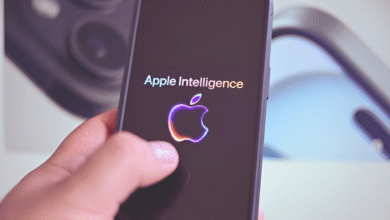
iPhone Ultra Hinge Test Passes: No Telephoto Camera Revealed at $2,000+ Price Tag
iPhone Ultra hinge test reportedly clears human trials, but the folding phone may skip a telephoto lens and cost over $2,000.
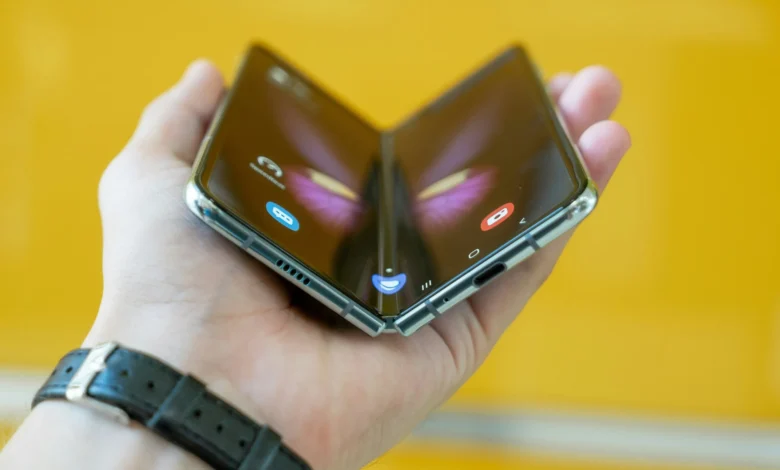
The iPhone Ultra hinge test has reportedly moved past internal lab machines and into real hands, marking one of the clearest signs yet that Apple’s long-rumored folding phone is inching toward production. According to recent supply chain reporting, engineering teams have started putting human testers through repeated open-and-close cycles on hinge prototypes, a step that typically comes only after a design has already survived months of robotic stress testing. That alone tells you Apple thinks it has something close to final.
But the same reports carrying the good news about hinge durability also carry a catch that will disappoint camera fans: the first-generation foldable iPhone may launch without a telephoto lens, trading zoom capability for the thinner profile and lighter build a folding device demands. And then there’s the price. Multiple analysts now expect the device to start somewhere north of $2,000, positioning it well above the current iPhone Pro Max lineup and squarely against Samsung’s most expensive foldables.
This piece breaks down what the hinge test actually means, why Apple appears willing to cut the telephoto camera, how the rumored pricing stacks up against existing foldables, and what all of this signals about Apple’s broader foldable strategy heading into a expected 2026-2027 launch window. None of this is officially confirmed by Apple, so treat the specifics as informed industry speculation rather than settled fact.
What the iPhone Ultra Hinge Test Actually Revealed
Hinge testing on a folding phone isn’t a single pass/fail moment. It’s a layered process, and the fact that Apple has reportedly reached the human testing stage is itself the headline.
Most foldable hinge development follows a rough sequence:
- Computer simulation — modeling stress points before any physical part exists
- Robotic cycle testing — machines open and close the hinge tens of thousands of times to simulate years of use
- Environmental stress testing — exposing the hinge to dust, sand, temperature swings, and moisture
- Human handling trials — real people using prototype units the way an actual owner would
That last stage is where the iPhone Ultra hinge test reportedly landed. Robotic testing tells engineers how a mechanism behaves under perfectly repeated motion. Human testing tells them how it behaves under the sloppier, less predictable motion of someone one-handing their phone on a train, cracking it open with their thumb, or letting it snap shut instead of closing it gently. Those are two very different stress profiles, and a hinge has to survive both.
Reports suggest the current prototype has held up through this phase without the wobble, creaking, or uneven closure that plagued early foldable designs from other manufacturers years ago. That’s a meaningful signal, even if it’s not a guarantee the final retail hinge will behave identically.
Why the Hinge Is the Make-or-Break Component
For any book-style folding phone, the hinge isn’t just a moving part. It’s the component that determines:
- Crease visibility on the inner display
- Water and dust resistance, since a folding seam is inherently harder to seal than a flat chassis
- Long-term durability, given the hinge flexes thousands of times over a phone’s lifespan
- Overall thickness, because hinge engineering dictates how thin the folded device can get
Apple has watched competitors work through hinge problems in public for several years now. Samsung’s Galaxy Z Fold line went through multiple hinge revisions before reaching something close to a crease-minimized, dust-resistant design. Apple entering this category later means it has the benefit of watching those lessons play out before committing to its own mechanism, which may explain why the iPhone Ultra hinge is said to be performing well even at this early testing stage.
No Telephoto Camera: The Biggest Compromise
Here’s the part that’s going to sting for anyone who loves long-range zoom shots. Industry reporting points to the first foldable iPhone launching without a dedicated telephoto lens, relying instead on a wide and ultra-wide camera pairing similar to what’s found on standard iPhone models rather than the Pro Max tier.
That’s a notable step down from the current iPhone 17 Pro Max, which includes a tetraprism telephoto system capable of significant optical zoom. For a device rumored to cost more than any iPhone Apple has ever sold, skipping telephoto entirely is the kind of trade-off that’s going to generate real pushback from buyers who expect Pro-level camera hardware to match a Pro-level price.
Why Apple May Have Cut the Telephoto Lens
A few practical reasons keep coming up in analyst commentary:
- Internal space constraints. Folding phones pack a battery, hinge assembly, and dual displays into a chassis that’s already tighter than a standard iPhone. A periscope-style telephoto module needs physical depth that folding hardware often can’t spare.
- Thickness targets. Every foldable maker is chasing a thinner folded profile, and camera bump height is one of the first things engineers cut when they’re trying to shave millimeters.
- First-generation caution. Apple has a pattern of trimming a feature or two from the first version of a new product category, then adding it back once the core engineering is proven. The original iPhone shipped without 3G. The first Apple Watch shipped without cellular. A first-gen foldable skipping telephoto would fit that pattern.
- Cost management. Even without a telephoto lens, the rest of the bill of materials on a foldable, custom hinge, dual OLED panels, reinforced glass, is already expensive. Cutting one camera module may be one of the only places left to control cost without pushing the price even higher than it already is.
None of that will feel like much comfort to buyers who’ve come to expect flagship camera specs across the board. If the reports hold up, the iPhone Ultra will ask people to choose between a genuinely new form factor and the full camera experience they’d get from a flat Pro Max.
iPhone Ultra Price: $2,000 and Beyond
Pricing is where this device really separates itself from anything currently in Apple’s lineup. Recent estimates put the starting price above $2,000, with some projections suggesting a fully specced storage tier could climb even higher.
For context, here’s roughly where that lands against Apple’s existing top-tier phone and the competition:
| Device | Approximate Starting Price |
|---|---|
| iPhone 17 Pro Max | ~$1,199 |
| Samsung Galaxy Z Fold 7 | ~$1,999 |
| iPhone Ultra (rumored) | $2,000+ |
If those numbers hold, the foldable iPhone wouldn’t just be Apple’s most expensive phone ever, it would be priced above Samsung’s current flagship fold, despite reportedly shipping with a less capable camera system. That’s a tough sell on paper, though Apple has a long track record of commanding premium prices that competitors can’t quite match, largely on the strength of its ecosystem and build quality rather than spec sheets alone.
How It Compares to Existing Foldables
A few things are worth keeping in mind when weighing that price against what’s already on the market:
- Samsung has years of foldable refinement behind it. The Z Fold line is now several generations deep, meaning its hinge, software multitasking, and app optimization are more mature than anything Apple can offer on a first attempt.
- Software optimization matters as much as hardware. iOS doesn’t currently have a foldable-specific interface, so Apple will need to rework multitasking, app scaling, and the Dynamic Island concept for a book-style unfolding screen. That’s a heavier software lift than the hinge itself.
- Battery life is a common foldable weak point. Packing a battery around a hinge mechanism usually means smaller capacity than a comparably sized flat phone, and early buyers of any foldable should expect this to be one of the more scrutinized aspects of reviews.
What This Means for Apple’s Foldable Strategy
Stepping back from the individual details, the pattern here looks familiar. Apple rarely moves first into a new hardware category. It watches, waits for the underlying technology to mature, and then enters with a version it believes is polished enough to justify a premium price. That’s what happened with wireless earbuds before AirPods, with smartwatches before the Apple Watch, and arguably with tablets before the iPad reshaped what a tablet was supposed to be.
A foldable iPhone that clears human hinge testing but launches without a telephoto camera fits that same playbook: solid on the core mechanical engineering that competitors have already spent years perfecting the hard way, but trimmed on secondary features to hit a launch window without overengineering every component at once. Apple has historically been willing to accept criticism on a first-generation product if it believes the core experience, in this case, a hinge and display that actually hold up to real use, is strong enough to earn a second look at generation two.
Whether that trade-off works commercially at a $2,000-plus price point is a separate question entirely, and one that depends heavily on how the reworked iOS interface performs once reviewers get real units in hand.
Should You Wait for the iPhone Ultra?
If you’re an iPhone Pro Max owner eyeing this device, a few questions are worth asking before getting swept up in the hype:
- Do you actually use telephoto zoom regularly? If long-range shots matter to your photography, a first-gen foldable without that lens may not replace your current phone.
- Is the folding form factor itself the draw, or the specs? Some buyers want a foldable for the larger inner screen and multitasking potential alone, in which case the missing telephoto lens matters less.
- Can the budget stretch past $2,000? That’s a meaningful jump from even the priciest current iPhone, and first-generation hardware often comes with first-generation quirks.
For most people, waiting for early reviews, and possibly a second-generation model, remains the more cautious path. Apple’s own release history suggests the second version of a new category tends to fix the compromises of the first.
Conclusion
The iPhone Ultra hinge test clearing human trials is a genuinely encouraging sign for anyone hoping Apple’s first foldable phone will avoid the durability headaches that plagued early competitors in the category. At the same time, the reported absence of a telephoto lens and a starting price above $2,000 make clear this won’t be a device built to check every box. It looks like a first-generation product in the truest sense: strong on the core engineering Apple felt it needed to get right, and willing to leave a few things for round two. Until Apple confirms specifics, all of this remains informed speculation based on supply chain and analyst reporting, so anyone seriously considering this device should wait for an official announcement before making buying decisions.
For more on how foldable display technology has evolved, see The Verge’s foldable phone coverage, and for Apple’s own product announcements, check Apple Newsroom.