Top 20 Affordable Solar Generators in 2026: Portable Power for You
Discover the top 20 affordable solar generators in 2026. Compare portable power stations for camping, RVs, and home backup with expert reviews and buying tips.
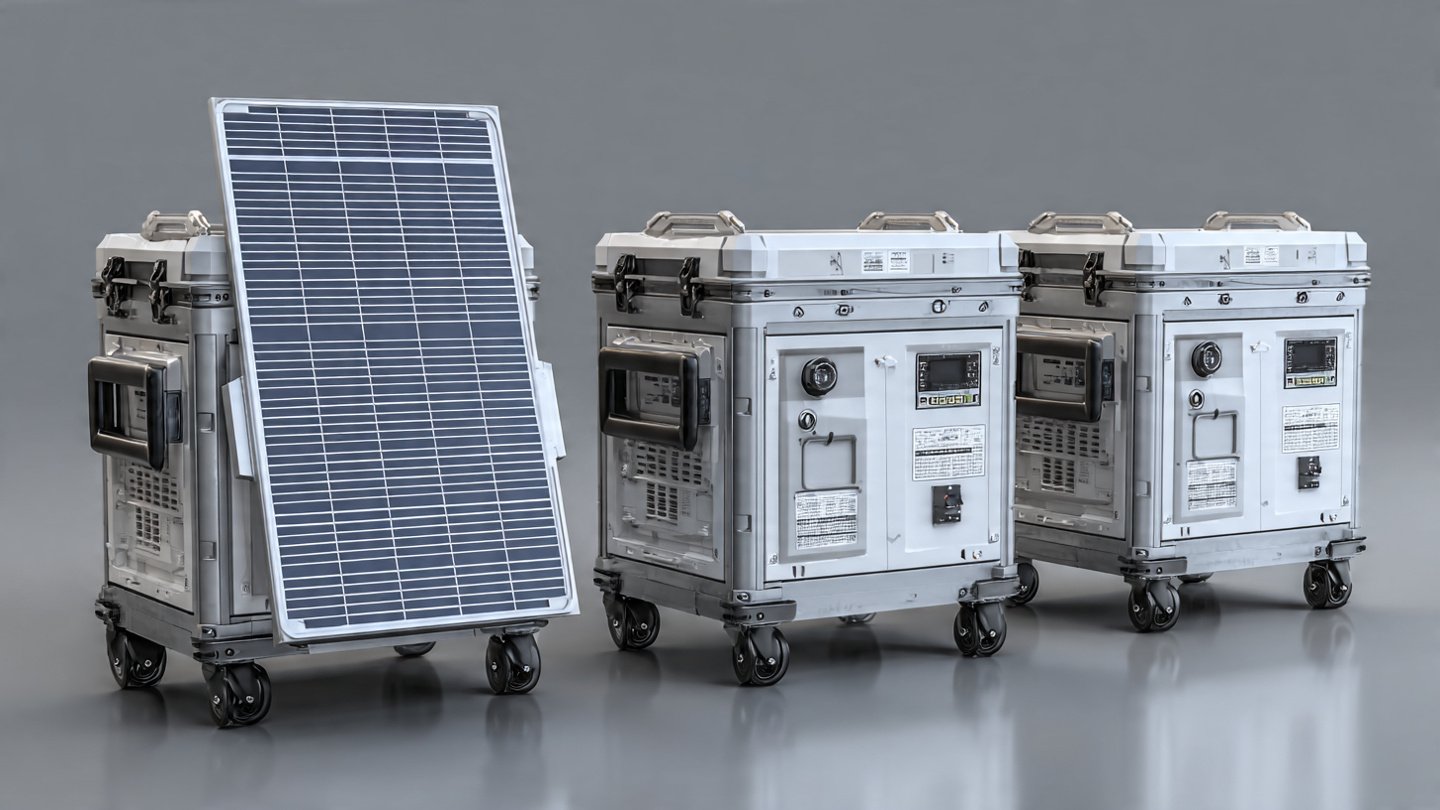
The solar generator market has transformed dramatically over the past few years. What was once a luxury item reserved for off-grid enthusiasts has become an accessible power solution for everyday people. Whether you’re preparing for unexpected power outages, planning your next camping adventure, or looking for reliable backup power for your home, affordable solar generators offer clean, quiet, and renewable energy without breaking the bank.
Unlike traditional gas generators that require constant fuel purchases and regular maintenance, portable solar generators charge from the sun’s rays and store energy in high-capacity batteries. Modern units combine lithium iron phosphate (LiFePO4) battery technology with efficient solar charging capabilities, creating systems that last longer and perform better than ever before. The best part? Prices have dropped significantly, with quality options now available under $500, $1,000, and $2,000 that deliver serious value for money.
This comprehensive guide breaks down the best affordable solar generators in 2026, helping you find the perfect portable power station for your specific needs and budget. We’ll explore everything from compact camping units to robust home backup systems, ensuring you make an informed decision about your portable power investment.
Understanding Solar Generators: What You Need to Know
Before diving into specific models, it’s important to understand what makes a solar generator different from traditional generators and how these systems actually work.
What Is a Solar Generator?
A solar generator (also called a portable power station) is a self-contained unit that captures solar energy through photovoltaic panels, stores it in an internal battery, and converts it to usable electricity for your devices and appliances. Unlike fuel-powered generators, these systems produce zero emissions, operate silently, and require minimal maintenance.
The typical solar generator system consists of two main components:
- Power Station: The battery unit that stores energy and provides various outlets (AC, DC, USB) for powering devices
- Solar Panels: Photovoltaic panels that convert sunlight into electrical energy to recharge the battery
Modern solar powered generators can also charge from wall outlets, car batteries, and other sources, making them incredibly versatile for different situations.
Key Benefits of Solar Generators
Solar generators offer several advantages over traditional fuel-powered alternatives:
- Clean Energy Source: Once you purchase the unit and panels, you have access to unlimited free energy from the sun. No fuel costs, no emissions, and no carbon footprint.
- Silent Operation: Unlike noisy gas generators, portable solar generators operate completely silently, making them perfect for camping, residential areas, and indoor use.
- Low Maintenance: With no moving parts, fuel systems, or lubricants to manage, these units require virtually no maintenance beyond basic battery care.
- Indoor Safe: You can safely use solar generators indoors without worrying about carbon monoxide poisoning or ventilation requirements.
- Long Lifespan: Quality units with LiFePO4 batteries can last 3,000-5,000 charge cycles, often translating to 10+ years of reliable service.
Important Specifications to Consider
When shopping for an affordable solar generator, focus on these critical specifications:


Capacity (Watt-Hours): This measures how much energy the battery can store. A 500Wh unit can theoretically power a 50W device for 10 hours. Expect 250-300Wh for budget models, 1,000-2,000Wh for mid-range options, and 3,000+Wh for home backup systems.
Power Output (Watts): This determines what appliances you can run simultaneously. A 300W unit might charge phones and laptops, while a 2,000W system can handle refrigerators and power tools.
Solar Input: Higher solar input ratings (measured in watts) mean faster recharging times when using solar panels. Look for at least 100W input for small units and 400W+ for larger systems.
Battery Chemistry: Lithium iron phosphate (LiFePO4) batteries cost more but last significantly longer (3,000+ cycles) compared to standard lithium-ion batteries (500-1,000 cycles).
Portability: Consider the weight and dimensions if you plan to transport your unit frequently. Compact camping generators typically weigh 7-20 pounds, while home backup units can exceed 60 pounds.
Top 20 Affordable Solar Generators in 2026
Now let’s explore the best solar generators across different price ranges and use cases. These recommendations are based on extensive research, expert testing, and real-world performance data from trusted sources.
Best Solar Generators Under $500
These entry-level options are perfect for camping, emergency phone charging, and powering small devices.
1. Jackery Explorer 300
The Jackery Explorer 300 remains one of the most popular budget solar generators on the market. This compact unit weighs just 7 pounds and delivers 293Wh of capacity with 300W output.
Key Features:
- 293Wh capacity provides 31 phone charges or 6 drone charges
- Pure sine wave inverter for sensitive electronics
- Compact design ideal for camping and car trips
- Typically priced around $300 (often discounted to $200-$250)
Best For: Weekend campers, road trippers, and anyone needing basic backup power for phones, tablets, and small electronics.
2. EcoFlow River 3
The EcoFlow River 3 packs impressive technology into an ultra-portable package. With its vertical design and 245Wh capacity, this unit has become a favorite among outdoor enthusiasts.
Key Features:
- Unique vertical form factor for easy carrying
- Fast AC charging (full charge in 1 hour)
- Multiple output options including USB-C fast charging
- LiFePO4 battery for extended lifespan
- Price range: $250-$350
Best For: Backpackers, picnics, and small outdoor events where portability is paramount.
3. OUPES Exodus Series (Entry Models)
OUPES has gained recognition for offering value-conscious options without sacrificing quality. Their entry-level models provide solid performance at competitive prices.
Key Features:
- 300-500Wh capacity options
- Expandable battery capability on some models
- Affordable pricing typically under $400
- Good build quality and customer support
Best For: Budget-conscious buyers who want expandability options for future growth.
4. Anker SOLIX C300
The Anker SOLIX C300 surprised reviewers with its innovative vertical design and practical features. The DC-only version even includes a pop-up light.
Key Features:
- 288Wh capacity in compact vertical form
- Three AC outlets (regular version) or DC-only option
- Built-in pop-up light on DC version
- Fast charging capabilities
- Price: $300-$400
Best For: Campers who value unique design and practical features like integrated lighting.
5. Aimtom PowerPal X 155Wh
For those on the tightest budgets, the Aimtom PowerPal X offers basic functionality at an incredibly low price point.
Key Features:
- Ultra-compact 155Wh capacity
- Weighs only a few pounds
- Basic AC, DC, and USB outputs
- Often available under $200
Best For: Minimal power needs like phone charging and emergency lighting during short outages.
Best Solar Generators Under $1,000
This mid-range category offers the sweet spot of capacity, features, and affordability for most users.
6. Bluetti EB3A
The Bluetti EB3A stands out for offering LiFePO4 battery technology at a budget-friendly price with excellent portability.
Key Features:
- 268Wh capacity with 600W output
- LiFePO4 battery provides 2,500+ cycles
- Fast solar and AC charging
- Multiple output options
- Price typically $300-$400
Best For: Quality-conscious buyers who want long battery life in a small package.
7. EcoFlow River 2 Pro
The EcoFlow River 2 Pro delivers exceptional value with 768Wh capacity and rapid charging capabilities.
Key Features:
- 768Wh capacity powers mini-fridges for hours
- Fast charging (0-100% in under 2 hours via AC)
- Boost mode increases output to 600W
- LiFePO4 battery for 3,000+ cycles
- Price range: $550-$750
Best For: Campers and RV users who need reliable power for appliances and multiple devices.
8. Jackery Explorer 1000 v2
Jackery continues to innovate with the updated Explorer 1000 v2, offering enhanced features while maintaining their signature ease of use.
Key Features:
- 1,024Wh capacity with 1,500W output
- Intuitive display and controls
- Multiple AC, USB-A, and USB-C ports
- Excellent battery shelf life
- Price: $700-$900
Best For: Users who want a trusted brand with proven reliability for home backup and outdoor use.
9. Goal Zero Yeti 1000 Core
Goal Zero pioneered the portable power station market, and the Yeti 1000 Core represents their rugged, dependable approach.
Key Features:
- 983Wh capacity with tough construction
- Built to withstand outdoor conditions
- Excellent temperature performance
- Reliable brand with strong support
- Price: $800-$1,000
Best For: Serious outdoor enthusiasts who prioritize durability and brand reputation.
10. Anker SOLIX F1000
The Anker SOLIX F1000 (also called Anker 757) impresses with smart design and competitive pricing in the 1,000Wh category.
Key Features:
- 1,229Wh capacity with fast charging
- Six AC outlets (more than most competitors)
- LiFePO4 battery charges to 80% in under an hour
- 300W solar input capability
- Price: $700-$900
Best For: Users who need multiple AC outlets and fastest possible charging times.
Best Solar Generators Under $2,000
These robust systems handle serious power needs including home backup, RV living, and construction sites.
11. Bluetti AC200L
The Bluetti AC200L tops many expert lists as the best solar generator for balancing capacity, features, and price.
Key Features:
- 2,048Wh capacity with 2,400W output (3,600W surge)
- Multiple charging options including solar, AC, and DC
- Intuitive app controls and clear display
- Expandable with additional batteries
- Price: $1,400-$1,800
Best For: RV owners and homeowners wanting partial home backup for essential appliances. According to testing by SFGATE, this model offers exceptional value in its category.
12. EcoFlow Delta 3 Plus
EcoFlow’s third-generation Delta series brings improved battery technology and faster charging to the mid-size market.
Key Features:
- 1,024Wh capacity with 1,800W output
- LiFePO4 battery technology
- Ultra-fast AC charging (full charge in under 1 hour)
- 500W solar input for 2-hour solar charging
- Price: $1,000-$1,400
Best For: Users who prioritize fast charging and reliable brand reputation.
13. Bluetti Elite 200 V2
The Bluetti Elite 200 V2 represents premium engineering with automotive-grade flat-packed battery cells for superior power density.
Key Features:
- 2,073Wh capacity in compact footprint
- Advanced battery cell design for better portability
- Multiple output options
- Excellent power-to-weight ratio
- Price: $1,500-$2,000
Best For: Users wanting maximum capacity in the most portable form factor possible.
14. Jackery Explorer 2000 Plus
The Jackery Explorer 2000 Plus delivers serious power with the ability to handle even high-demand tools and appliances.
Key Features:
- 2,042Wh capacity with 3,000W output
- Can power welders and other demanding equipment
- Automatic home backup capability
- Multiple USB, AC, and RV outlets
- LiFePO4 battery for long lifespan
- Price: $1,600-$2,000
Best For: Power users who need to run heavy-duty equipment and want automatic home backup features.
15. OUPES Mega 1
The OUPES Mega 1 brings expandable battery technology to the value-conscious market segment.
Key Features:
- Base capacity expandable with additional batteries
- Comprehensive feature set at competitive pricing
- Multiple output ports and charging options
- Solid build quality
- Price: Under $1,500 for base unit
Best For: Budget-conscious buyers planning to expand their system over time.
Premium Solar Generators ($2,000+)
These high-capacity systems approach whole-home backup capabilities and professional-grade performance.
16. Generac GB2000
The Generac GB2000 brings the trusted Generac name to the portable power station market with impressive results.
Key Features:
- 2,000Wh capacity with 3,200W peak output
- Silent operation perfect for residential use
- Wireless charging pad included
- Multiple AC, USB, and DC ports
- Price: $2,000-$2,500
Best For: Homeowners who trust the Generac brand for backup power solutions. Bob Vila’s testing team rated this as their best overall solar generator.
17. Jackery HomePower 3000
The Jackery HomePower 3000 introduces ZeroDrain technology for extended storage without battery degradation.
Key Features:
- 3,024Wh capacity with reliable performance
- ZeroDrain technology maintains charge during storage
- Improved size-to-capacity ratio vs. Explorer series
- Ideal for emergency preparedness
- Price: $2,500-$3,000
Best For: Emergency preparedness and users who need reliable long-term storage.
18. EcoFlow Delta 2 Max
The EcoFlow Delta 2 Max offers robust capacity with the company’s signature fast-charging technology.
Key Features:
- Higher capacity than standard Delta 2
- Expandable battery system
- Fast charging from multiple sources
- Comprehensive app control
- Price: $2,000-$2,500
Best For: Outdoor professionals and serious RV enthusiasts.
19. VTOMAN FlashSpeed 1500
The VTOMAN FlashSpeed 1500 combines V-BEYOND Technology with expandable capacity for serious power users.
Key Features:
- 3,096Wh total capacity (with expansion battery)
- Fast 1-hour charging capability
- 12 adjustable output ports
- SuperSafe LIFEBMS protection system
- Price: $2,000-$2,800
Best For: Users needing maximum expandability and comprehensive safety features.
20. Bluetti AC300 + B300 System
The Bluetti AC300 modular system allows unprecedented customization and expansion possibilities.
Key Features:
- Modular architecture for custom configurations
- Expandable to massive capacity with multiple batteries
- 3,000W continuous output
- Compatible with third-party solar panels
- Price: $3,000+ (varies with configuration)
Best For: Off-grid living, whole-home backup, and users building comprehensive energy independence systems.
How to Choose the Right Solar Generator for Your Needs
Selecting the perfect affordable solar generator requires matching your specific needs with the right specifications and features.
Determine Your Power Requirements
Start by calculating your actual power needs:
For Camping and Recreation:
- Small devices (phones, tablets, cameras): 250-500Wh capacity, 300W output
- Multiple devices plus small appliances (coffee maker, fan): 500-1,000Wh, 500-1,000W output
- RV use with appliances: 1,000-2,000Wh, 1,500-2,000W output
For Home Backup:
- Essential devices only (lights, phones, router): 500-1,000Wh
- Partial home backup (fridge, lights, electronics): 1,500-2,500Wh
- Extended backup or multiple appliances: 3,000+Wh
Consider Portability vs. Capacity Trade-offs
Larger solar generators provide more power but weigh significantly more. A 250Wh unit might weigh 7 pounds, while a 2,000Wh system could exceed 60 pounds. Consider whether you’ll frequently transport your unit or if it will primarily stay stationary.
Evaluate Solar Charging Capabilities
Check the solar input rating to ensure reasonable charging times. A 100W solar input will take twice as long to recharge as a 200W input. For serious solar charging, look for 400W+ input capabilities.
Review Output Options
Ensure your chosen portable power station has the right outlets for your devices:
- AC outlets for standard appliances and electronics
- USB-A and USB-C ports for mobile devices and laptops
- 12V DC outlets for car accessories
- Specialized outlets (like 30A RV ports) if needed
Check Battery Type and Lifespan
LiFePO4 batteries cost more upfront but provide 3,000-5,000 cycles compared to 500-1,000 cycles for standard lithium-ion. For long-term use, the extra investment pays off through extended lifespan.
Maximizing Your Solar Generator Investment
Once you’ve purchased your affordable solar generator, follow these best practices to ensure optimal performance and longevity.
Proper Battery Maintenance
- Store your unit at 40-60% charge if not using for extended periods
- Avoid completely depleting the battery regularly
- Keep the unit in temperature-controlled environments when possible
- Charge at least every 3-6 months during storage
Optimize Solar Charging
- Position panels for maximum sun exposure (perpendicular to sun rays)
- Clean panels regularly to maintain efficiency
- Use appropriate solar panel wattage for your unit’s input capacity
- Consider weather patterns when planning solar charging
Safe Operation Practices
- Don’t exceed the rated power output
- Avoid running units in extreme temperatures
- Ensure proper ventilation even though they don’t produce exhaust
- Keep firmware updated on smart units
Expand Your System Strategically
Many modern solar generators allow expansion with additional batteries or panels. Plan your expansion based on actual usage patterns rather than theoretical maximum needs.
Frequently Asked Questions
Can solar generators run refrigerators? Yes, most solar generators over 1,000Wh can power refrigerators, though runtime varies based on fridge efficiency and generator capacity. A typical 700W refrigerator might run 2-3 hours on a 1,000Wh unit, or 6-9 hours on a 2,000Wh system.
How long do solar generators last? With proper care, LiFePO4 solar generators can last 10-15 years or more (3,000-5,000 charge cycles). Standard lithium-ion units typically last 2-5 years with regular use.
Are cheap solar generators worth it? Budget solar generators under $500 work well for basic needs like phone charging and small devices. However, investing in mid-range options ($700-$1,500) often provides significantly better value through improved battery life, higher capacity, and better build quality.
Do I need to buy solar panels separately? Many portable power stations are sold without panels, though bundle packages often provide better value. Check whether panels are included or purchase compatible panels separately.
Can solar generators power an entire house? Most portable solar generators can’t power entire homes simultaneously but can run essential appliances during outages. Whole-home backup requires systems starting at 3,000Wh+ with high continuous output ratings.
Conclusion
The affordable solar generator market in 2026 offers unprecedented value and variety for consumers seeking clean, reliable portable power. From compact camping units under $300 to robust home backup systems approaching $3,000, there’s a perfect solution for every need and budget. The key is matching your specific power requirements with the right capacity, output, and features while considering long-term value through battery chemistry and build quality. Whether you’re preparing for emergencies, powering outdoor adventures, or seeking energy independence, today’s solar powered generators deliver reliable, sustainable power that was simply unavailable or prohibitively expensive just a few years ago. By carefully evaluating your needs and choosing from the top-rated models we’ve highlighted, you’ll invest in a power solution that serves you well for years to come while reducing your environmental impact and fuel costs.